Seasonal Picks · Portugal
September and October, and Why We Keep Sending People Then
The coast empties, the light drops, and the country goes back to being itself.
Ask anyone who works in Portuguese tourism when they take their own holidays and you get the same answer. Late September. Early October. Nobody advertises it, because nobody needs to.
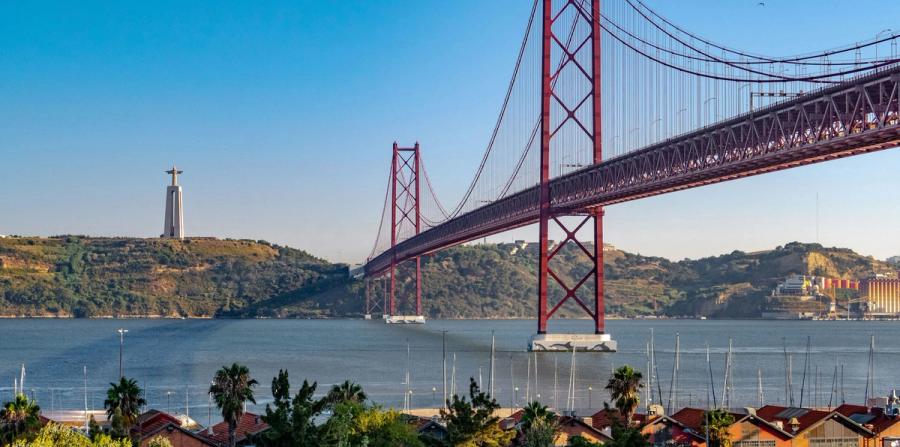
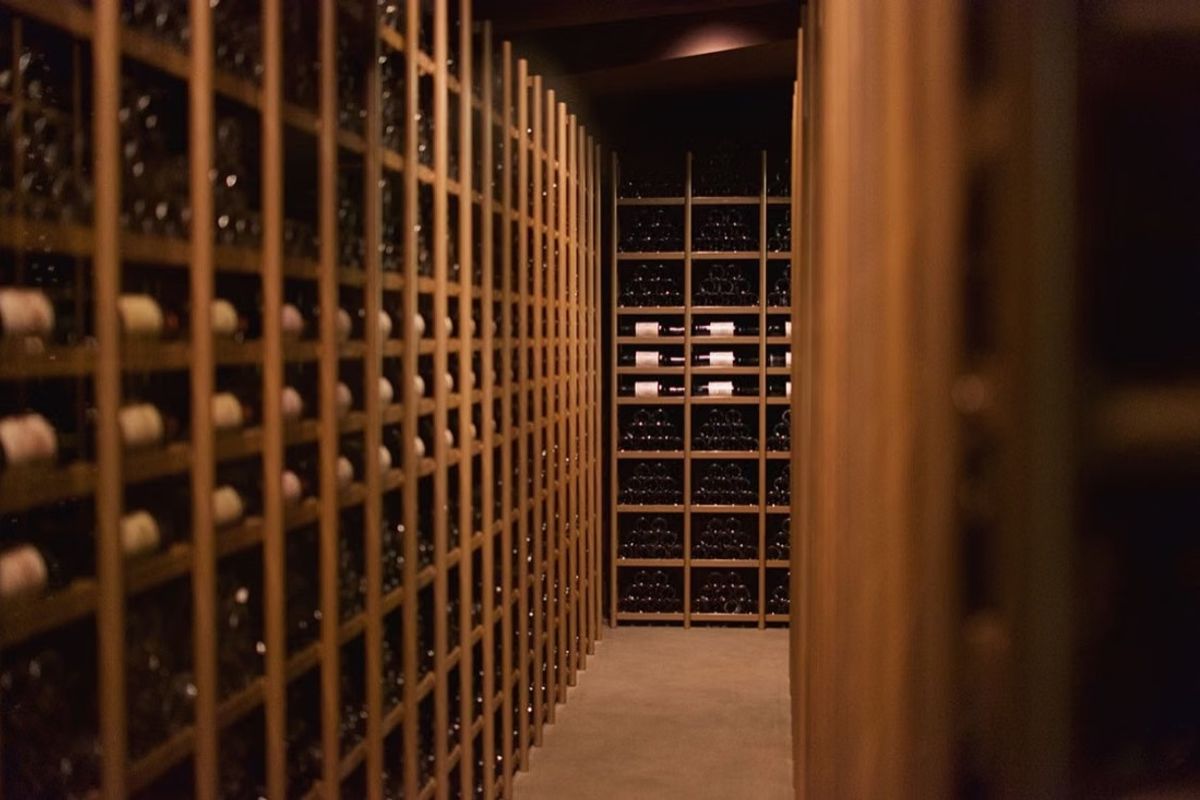
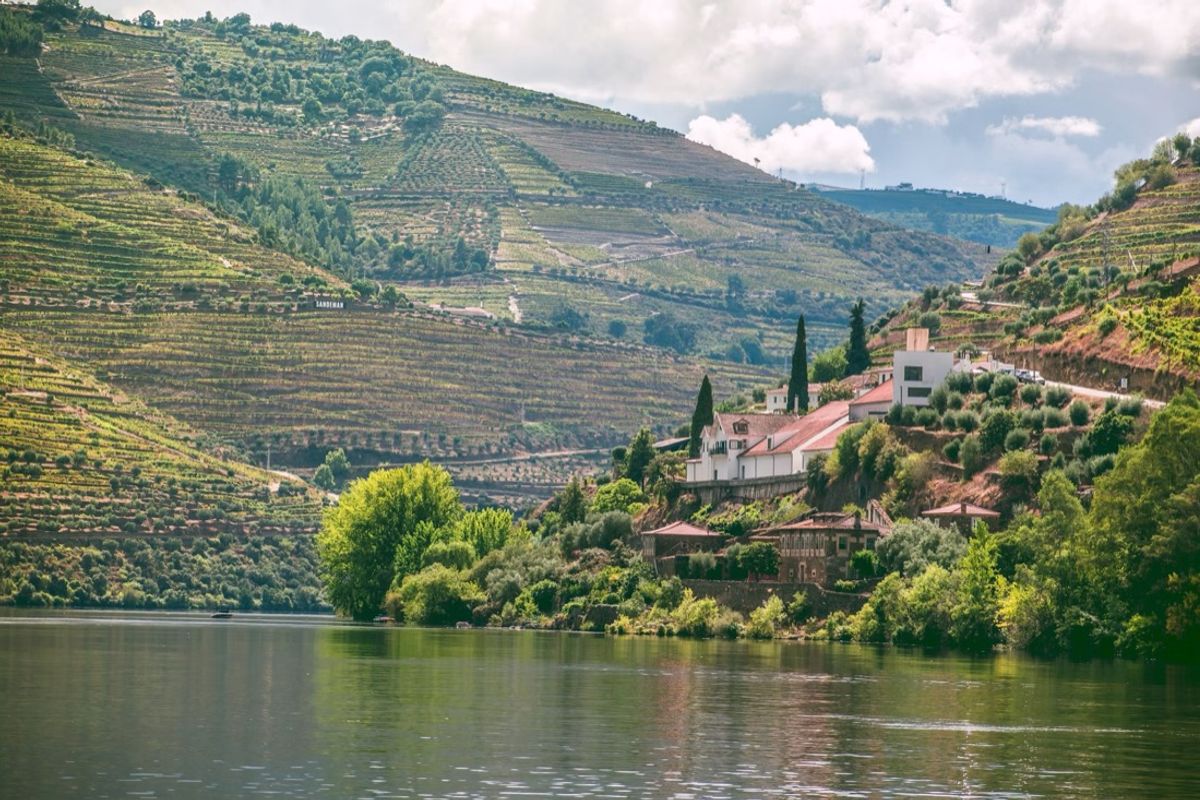
Start with the practical part. Sea temperatures on the Algarve coast peak after the air has cooled, so swimming in late September is warmer than swimming in June, in a sea with far fewer people in it. Lisbon in August is a city under strain. By the last week of September the terraces belong to the people who live there. In the Douro the harvest is finishing, so the quintas are working rather than performing, and a visit lands differently when there is something happening in the yard.
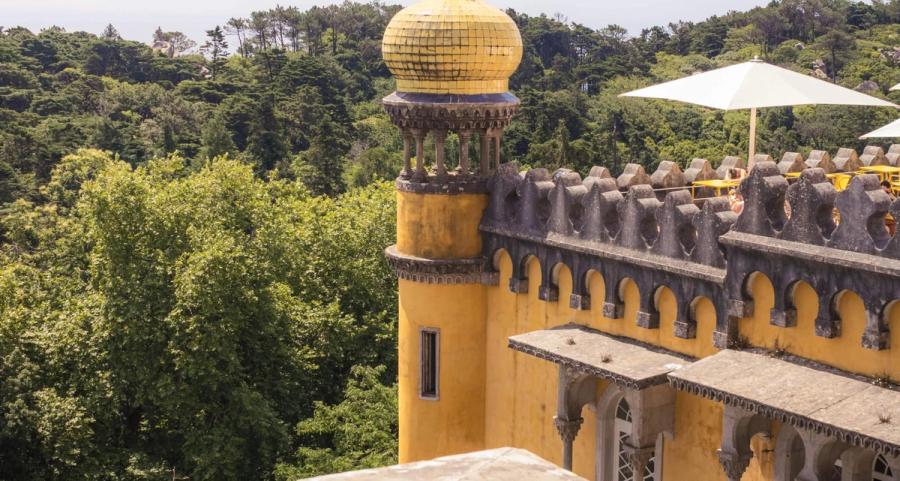
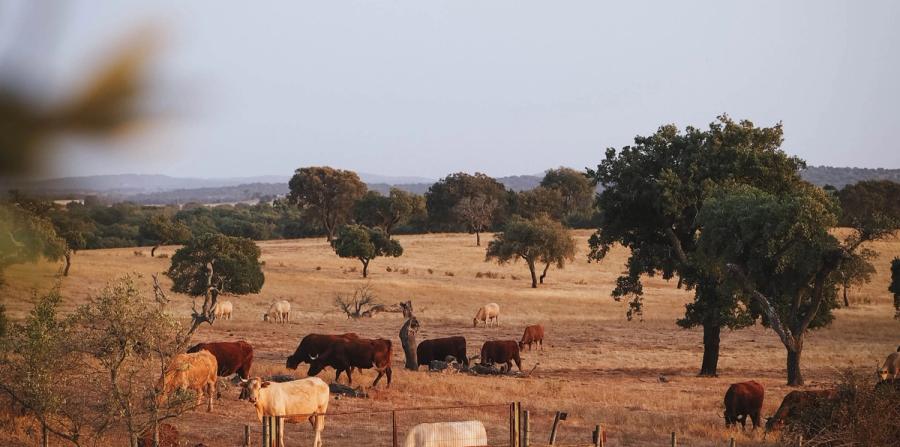
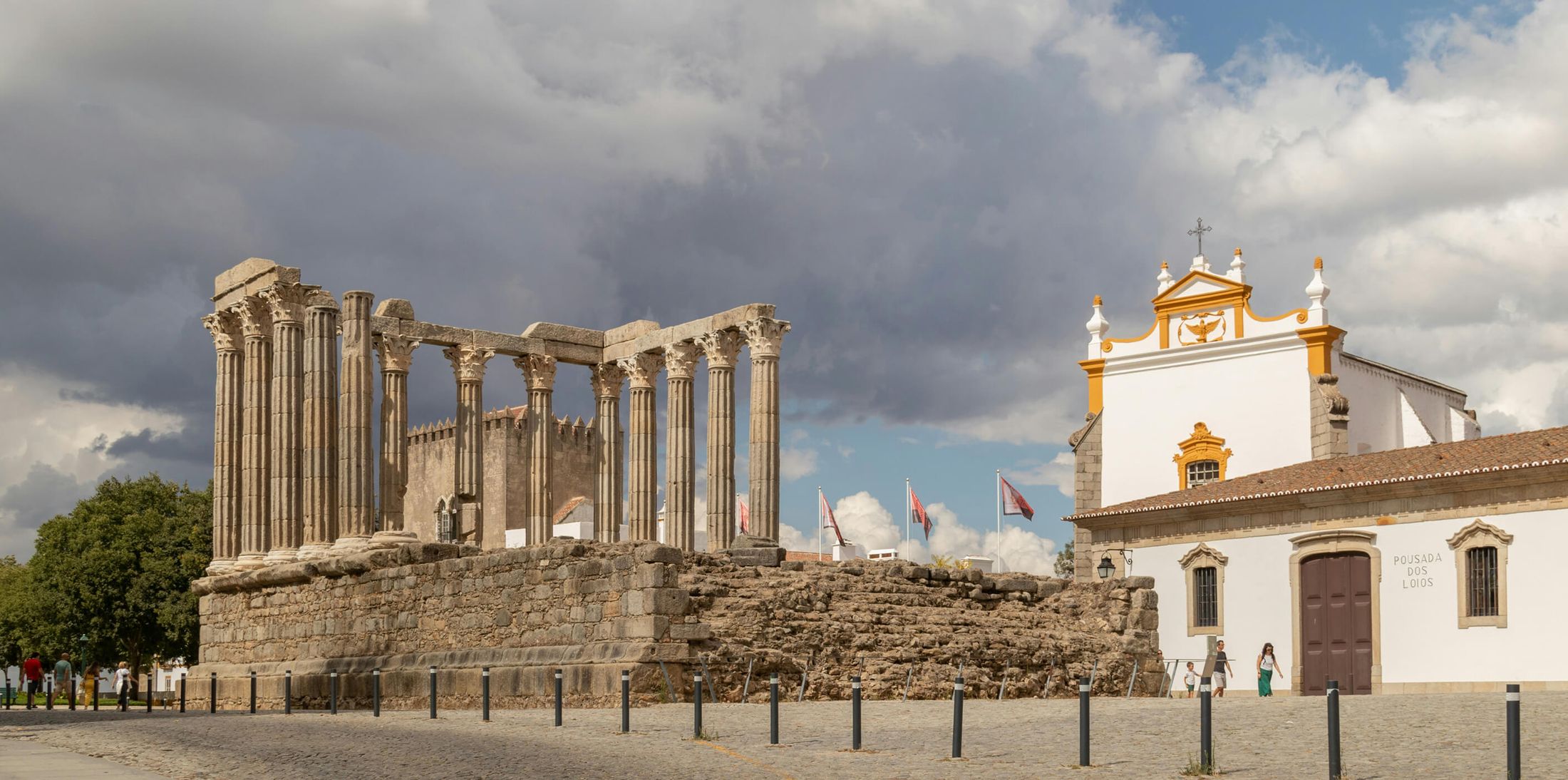
The light matters too, and not only for photography. Low autumn sun does something specific to limestone and whitewash. Évora, Óbidos and the hill towns of the Alentejo look better at five in the afternoon in October than at any hour in the summer.
Programmes change shape in these months. Drives we avoid in August become easy, because two hours in a car through the interior stops being a negotiation once the heat drops. Restaurants that close their books in high season will take a table for four with three days of notice. Guides who spend the summer running fixed schedules have time to build something for one client, which is the whole point of what we do.
The trade is weather. October can turn, especially in the north. We plan for that rather than around it: an indoor alternative for each afternoon, and hotels where a rainy day is still a good day. Clients who understand the trade before they travel are glad they took it.
So when a client is choosing between the last week of August and the last week of September, we say September. That conversation is usually short.